By now, the question should no longer be simply who pulled the trigger. The bigger question is: “how did a child get the gun in the first place?”
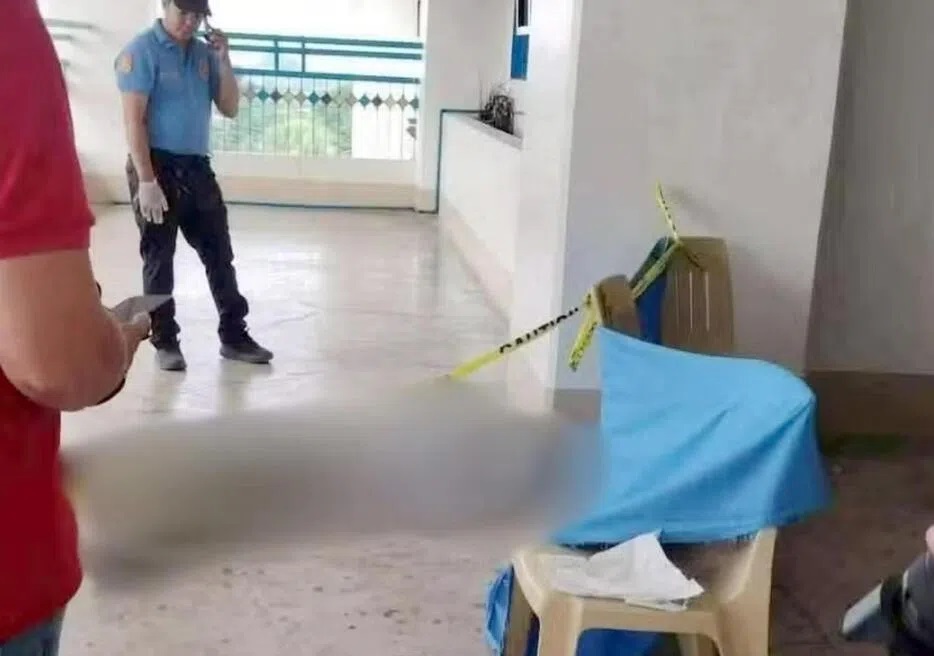
The tragic shooting at Ateneo de Zamboanga University, where two students died, including the Grade 9 student suspected of carrying out the attack, has once again exposed a disturbing reality: “our schools are becoming places where young people can no longer assume they are completely safe.” Authorities are investigating how the firearms entered the campus and where they came from. One of the firearms reportedly used in the attack was issued by the Bureau of Customs.
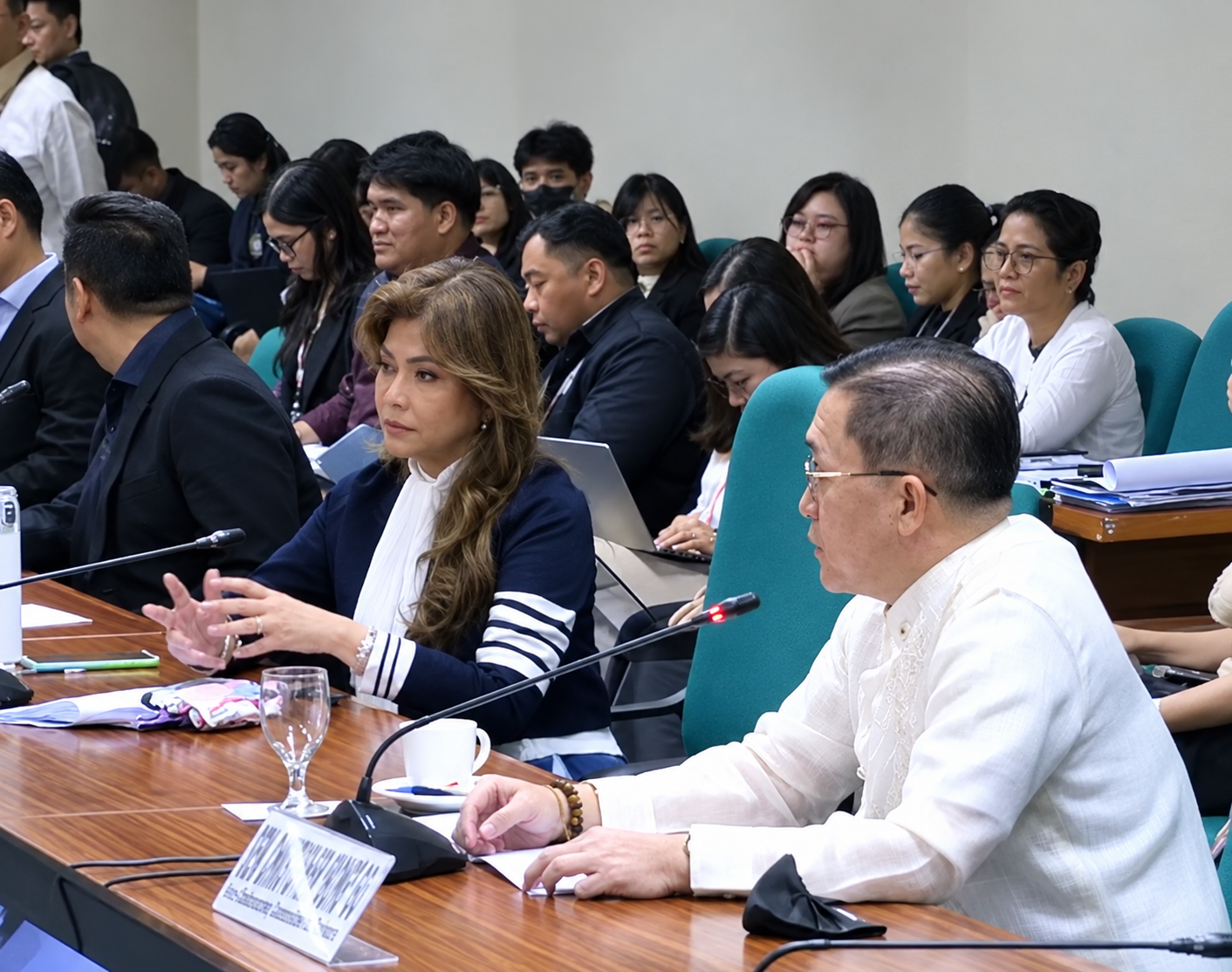
And yet, in the immediate aftermath of this tragedy, the public heard a statement from Presidential Communications Office Undersecretary Claire Castro pointing to teachers and suggesting that some educators themselves teach students disrespectful behavior (walang modo) and contribute to a culture that should not be tolerated.
That statement deserves scrutiny
Not because teachers should never be criticized. Of course they should be held accountable when they commit wrongdoing. But is this really the moment to make teachers the focus of the conversation?
Two students are dead.
A child entered a school armed with firearms.
A weapon reportedly connected to an adult government employee somehow became accessible.
This is where our attention should be.
We should be asking:
“Where did the weapons come from? Who had custody of them? Were they properly secured? How did a minor gain access to them? How did he manage to bring them into a school? Were security protocols adequate? Were authorities already aware of warning signs? And most importantly, what concrete measures will prevent another child from doing the same thing?”
These are not insignificant questions. They are questions of public safety and government responsibility.
This incident is also not occurring in isolation. It comes only weeks after another deadly school shooting in Tacloban City. The recurrence alone should force government to stop treating these incidents as isolated tragedies and start treating them as a national warning.
We cannot simply mourn, condemn, promise an investigation, and then move on until the next tragedy happens.
That is not prevention. That is reaction. And reaction after innocent lives have already been lost is not enough.
TEACHERS ARE NOT THE ENEMY
Teachers have an important responsibility in shaping the character of young people. Nobody disputes that.
But teachers cannot be expected to compensate for every failure occurring outside the classroom.
A teacher cannot control whether a firearm is properly secured inside a home.
A teacher cannot determine whether a licensed firearm owner is complying with every responsibility attached to firearm ownership.
A teacher cannot single-handedly police every child’s online activity, home environment, family circumstances, mental and emotional struggles, peer influences and exposure to violence.
And a teacher certainly cannot be expected to physically prevent a firearm from entering a school if the broader security system fails.
To suggest otherwise risks confusing moral education with public-security responsibility.
Yes, schools must teach respect, discipline, empathy and the value of human life. But government must also ensure that deadly weapons do not become accessible to children.
Those are two different responsibilities. One cannot be used to excuse failure in the other.
WHERE IS THE URGENCY?
What is particularly disturbing is that we seem to become passionate about discussing violence only after blood has been spilled.
After every tragedy, officials express condolences.
After every shooting, investigations are ordered.
After every death, authorities promise stronger security.
But where is the comprehensive, urgent and sustained national response? Where is the serious examination of firearm custody? Where is the nationwide assessment of school security?
Where is the mechanism for identifying children who may be at risk of harming themselves or others?
Where is the coordinated effort among schools, parents, law enforcement, social workers, religious institutions, the community and government agencies? And where is the accountability when established safeguards fail?
These are the questions that deserve the government’s full attention.
DON’T LOOK FOR A SCAPEGOAT—LOOK FOR THE FAILURE
The easiest response to a tragedy is to find someone to blame.The harder response is to examine the entire system and admit where it failed.
If a child can obtain firearms and bring them into a school, then something somewhere has failed.
Perhaps it is a failure of firearm security. Perhaps it is a failure of parental supervision.Perhaps it is a failure of school security.
Perhaps it is a failure in identifying warning signs.
Perhaps it is a failure of law enforcement.
Perhaps it is a combination of several failures.
That is precisely why a thorough investigation matters.
President Marcos has ordered law enforcement agencies to investigate the Zamboanga shooting and determine measures to strengthen campus safety. That investigation should not merely establish what happened inside the classroom. It should trace the entire chain of responsibility leading to the availability of the firearms and the attack itself. And people ask, “why just now?”
Accountability must follow the evidence—not political convenience.
GOVERNMENT MUST DO MORE THAN SPEAK
The public does not need another round of carefully worded statements.Parents need assurance. Students need protection. Teachers need support. Schools need resources.
And the Filipino people need to see concrete action. If there are weaknesses in firearm regulation or custody, fix them. If school security is inadequate, strengthen it.
If young people are increasingly exposed to violent content and harmful online influences, confront the problem intelligently. If schools lack counselors and mental-health support, provide them. If agencies are failing to coordinate, make them coordinate.
And if officials or institutions are found negligent, hold them accountable—regardless of rank, position or political connection. That is what leadership looks like.
THIS IS BIGGER THAN CLAIRE CASTRO
This editorial is not ultimately about one Palace spokesperson. It is about a mindset.
A mindset that sometimes finds it easier to lecture ordinary citizens, teachers, parents or young people than to confront institutional failures.
The public deserves better.
When two students die inside a school, the first responsibility of government officials should be to seek truth, establish accountability and prevent another tragedy—not create another target for public anger.
Teachers can be criticized. Parents can be criticized. Students can be held accountable within the bounds of law.
But government must also be willing to look in the mirror. Because if we continue pointing fingers at everyone except the systems responsible for protecting our children, then we are not solving the problem.
We are merely waiting for the next tragedy.
And when that next tragedy comes, another investigation will be ordered, another statement will be issued, another promise will be made—and another family will be left asking the question that government should have answered long before the shooting:
Why did nobody act when there was still time to prevent it?Is this really the best response we can expect from a lawyer and a presidential spokesperson?
Instead of confronting the glaring failures in gun control, firearm custody, school security and government responsibility, she chose to point fingers at teachers?
What a profound failure of judgment!