Photo Courtesy: Bloomberg

The country continues to sink deeper into economic hardship. Ordinary Filipinos are being squeezed from all sides as the cost of living rises while opportunities to improve their livelihoods remain scarce. For millions of families, making ends meet has become a daily struggle.
Yet amid this suffering, there are those who appear untouched by the crisis—those who allegedly benefited from questionable budget insertions, dubious appropriations, and other forms of government spending that have long fueled public suspicion. While the people tighten their belts, a privileged few continue to prosper at the expense of the nation.
What is even more troubling is that nearly a year has passed since serious allegations emerged regarding ghost and anomalous flood control projects worth billions of pesos. These accusations struck a nerve because they involved funds intended to protect communities from one of the country’s most persistent and devastating problems: FLOODING.
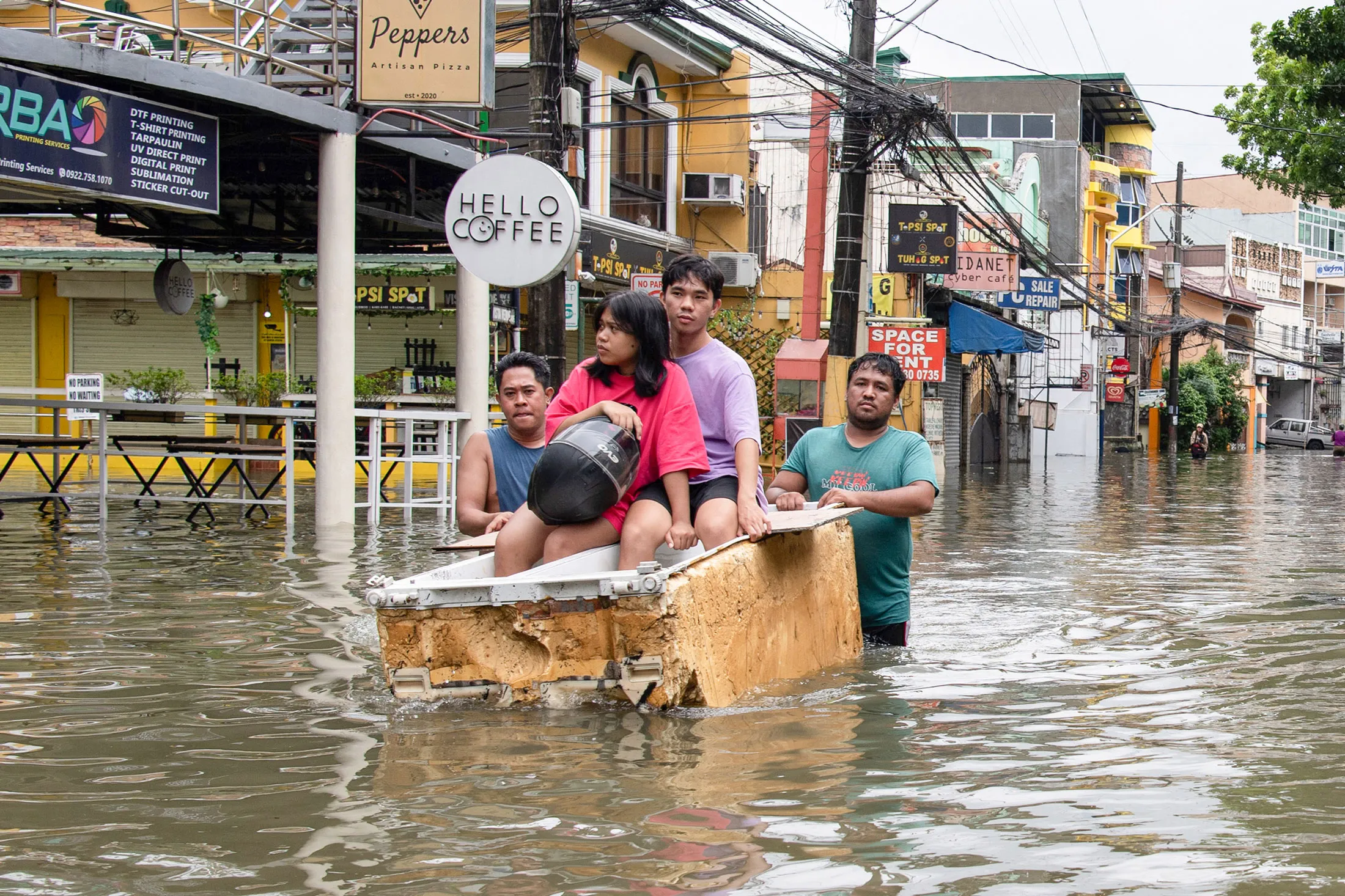
Now the rainy season has returned. Typhoons once again threaten homes, livelihoods, and lives. Yet many of the questions surrounding these projects remain unanswered. Where did the money go? Who benefited? Why have so many flood control structures failed to provide the protection that taxpayers were promised?
Every peso lost to corruption is not merely a financial loss—it is a stolen opportunity to save lives. It is a betrayal of families who endure floods year after year. It is a betrayal of farmers who lose their crops, workers who lose their income, and children whose education is disrupted whenever disaster strikes.
The greatest tragedy is that while the nation braces for another season of floods, much of the political establishment appears consumed by power struggles, partisan maneuvering, and leadership contests. The public sees endless political drama while urgent issues affecting millions of Filipinos remain unresolved.
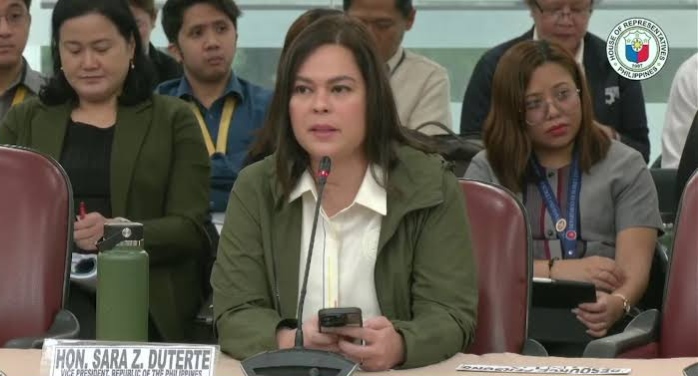
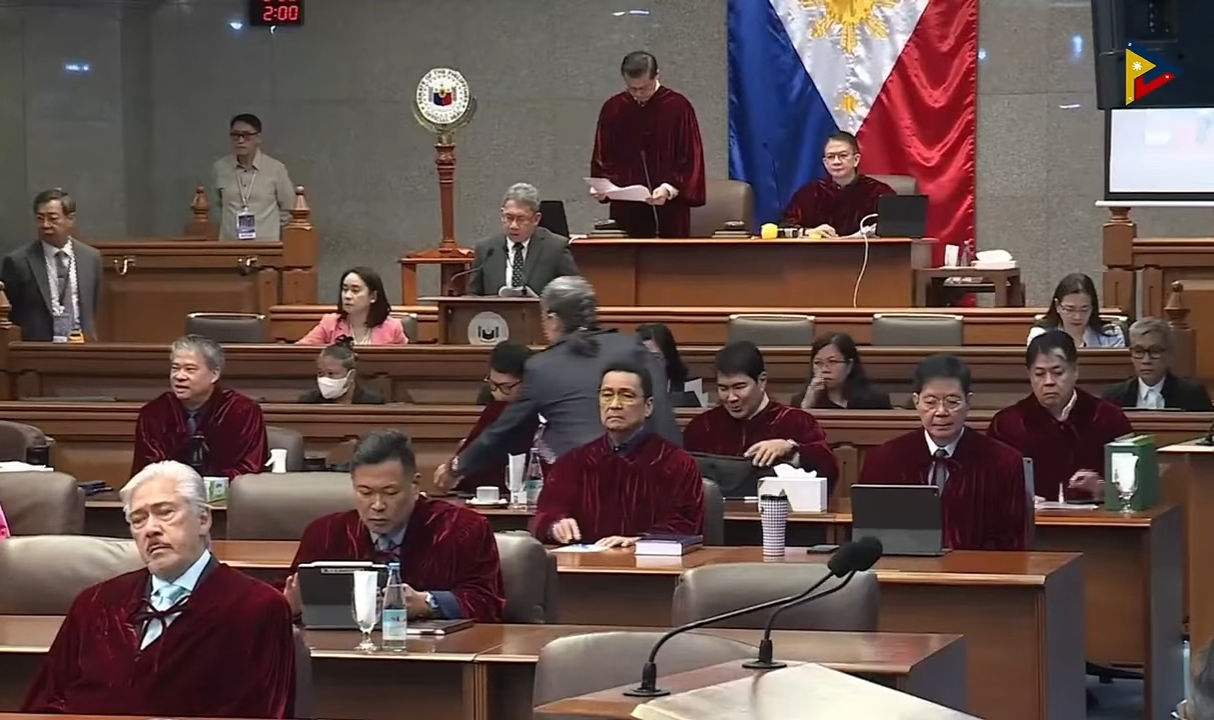
Government institutions, including Congress and the Senate, have a responsibility that goes far beyond political rivalry. Their foremost duty is to ensure that public funds are spent honestly, efficiently, and for the benefit of the people. Allegations involving massive corruption in flood control projects should not be buried beneath political distractions. They demand thorough investigation, transparency, and accountability.
The Filipino people do not need more excuses. They do not need more political theater. They deserve answers. They deserve justice. Most importantly, they deserve a government that places public welfare above political interests.
As another typhoon season begins, the question remains: will those responsible for the alleged misuse of public funds finally be held accountable, or will the floods return once again while justice remains submerged beneath the waters of corruption?
The floodwaters may eventually recede, but the public’s demand for truth and accountability should not. Until every peso intended to protect the people is fully accounted for, the nation will continue to drown—not only in floods, but in the corrosive effects of corruption and neglect.